Everyday practicalities
Squat toilets
Public facilities often include squat toilets. Hotels and modern malls are more likely to have Western-style options. Carry tissues and hand sanitiser, and follow posted disposal instructions.
Plug types
Type A, C and I sockets are all found in China. Bring a quality universal adapter and check that your device supports local voltage before connecting it.
Hot water
Warm or hot water is common in restaurants, hotels and stations. Ask specifically for cold water or buy a sealed bottle if that is your preference.
Weather changes
China spans many climates. Check every destination separately and carry a compact umbrella for sudden rain or strong summer sun.
Food, spice and shopping
Spice can be intense
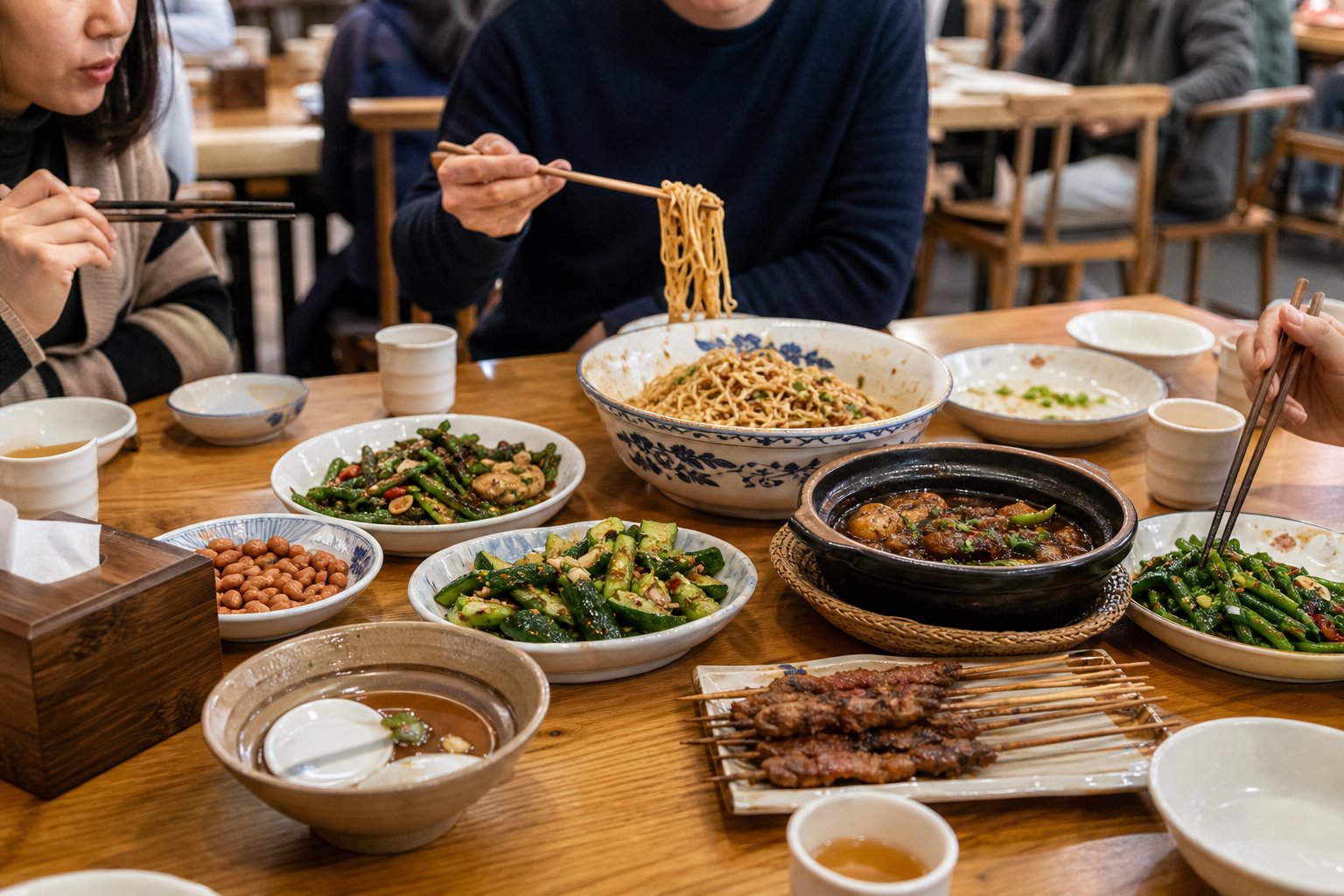
Sichuan and Chongqing food can be both hot and numbing. Say 不要辣 (bú yào là) for no chilli, while remembering that shared sauces or stock may still contain spice.
Bargaining has boundaries
Friendly bargaining may be welcome in some markets, but not in malls, restaurants, convenience stores or clearly fixed-price shops. Watch how the market operates before negotiating.
Roads and public transport
Traffic can approach from unexpected directions, especially electric scooters and turning vehicles. A green pedestrian signal is not a substitute for looking both ways.
QR codes and security checks
QR codes are everywhere
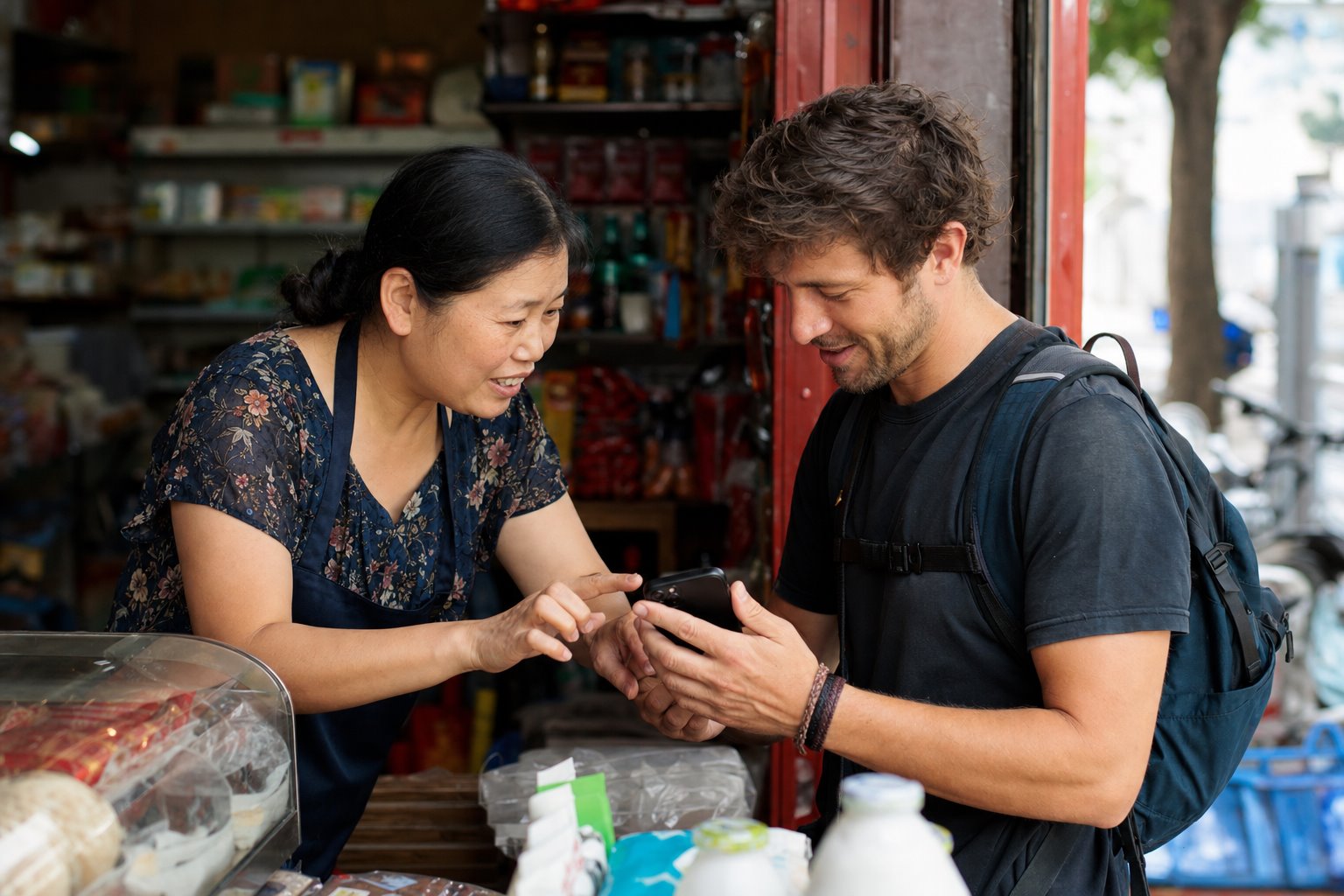
Payments, restaurant menus, ordering, tickets and contact sharing may all use QR codes. Set up WeChat and/or Alipay before departure and keep a backup payment method.
Routine security
Bag scans and security gates are normal at railway stations, metro systems and many attractions. Allow extra time and check restrictions on liquids, knives and power banks.
Park life
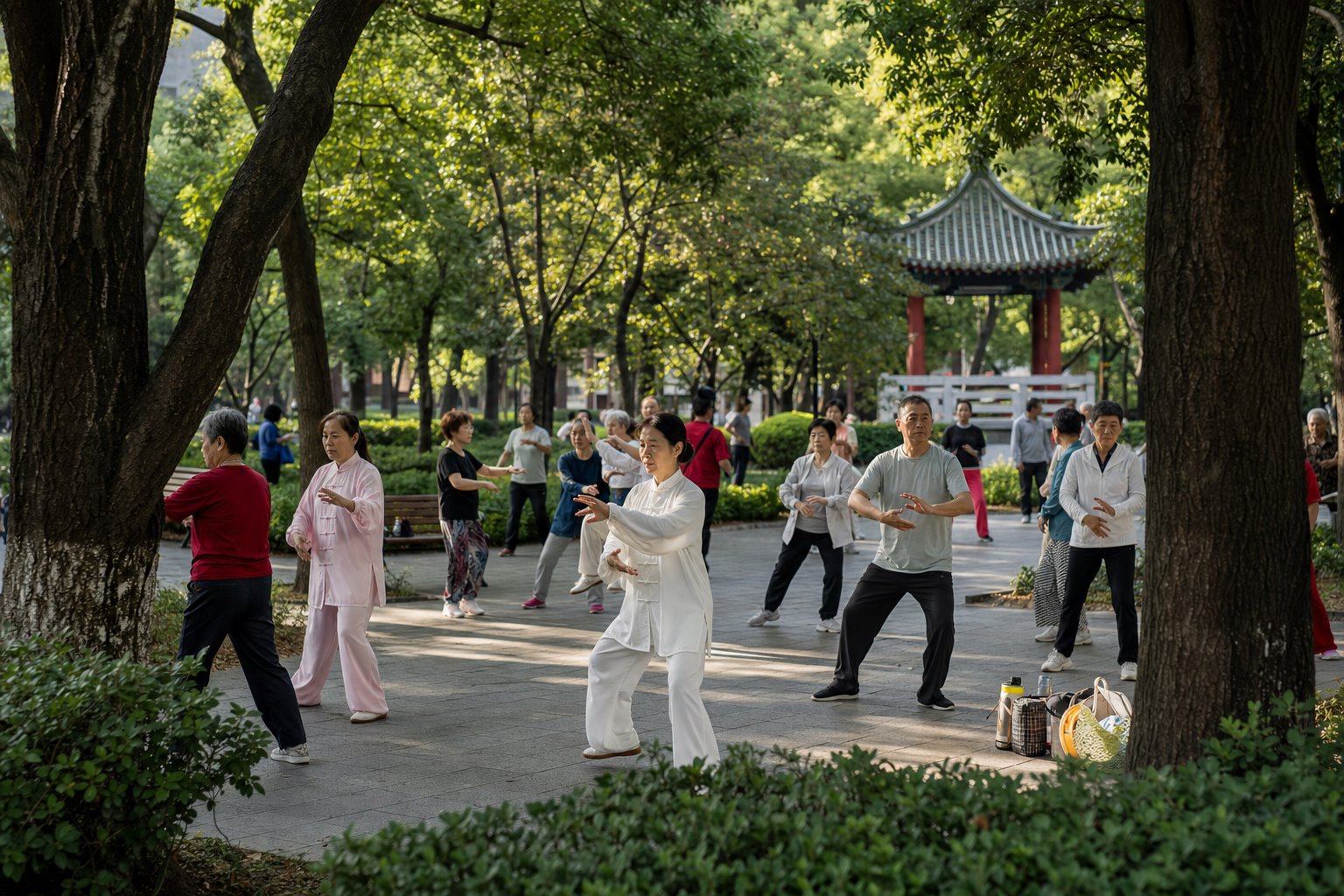
Visit a city park in the morning or early evening to see dancing, tai chi, singing, instruments, games and group exercise. Parks are active social spaces rather than always being quiet retreats.
Noise, crowds and personal space
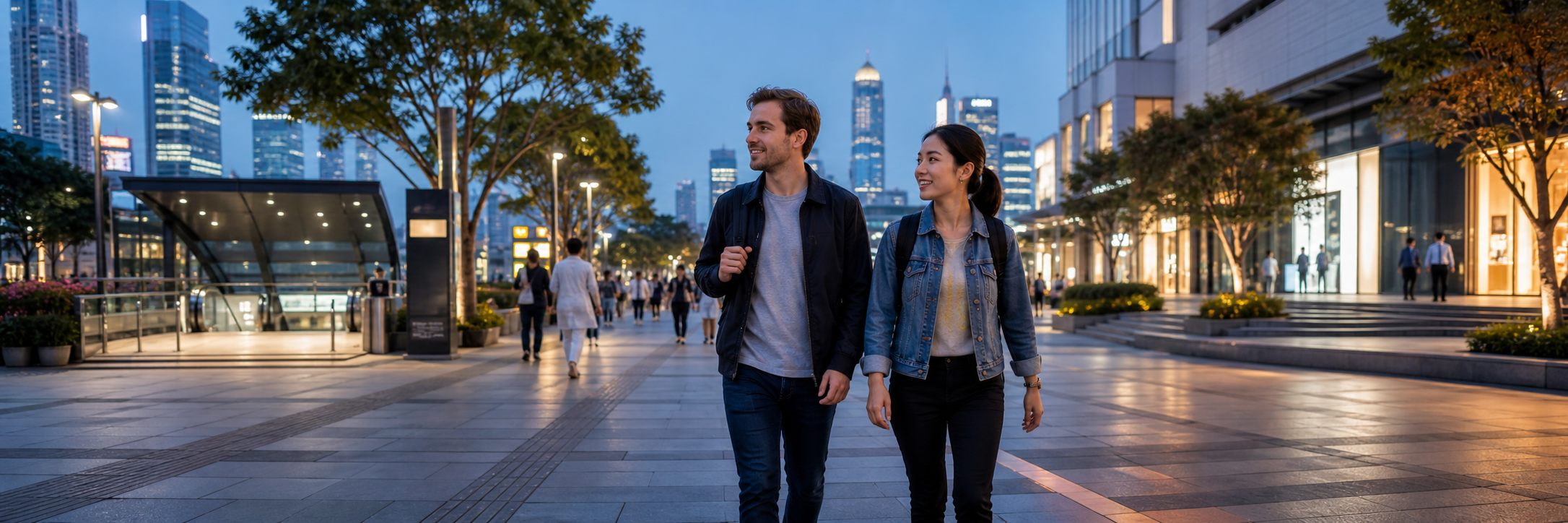
Public spaces can be lively
Restaurants, markets and transport hubs may feel louder than expected. If you are sensitive to sound, carry earplugs or noise-reducing headphones.
Space can feel tighter
People may stand closer in queues and crowded transport. Protect your belongings, move calmly and avoid interpreting every close interaction as personal rudeness.
The best approach
- Observe before assuming that a familiar rule works the same way.
- Ask politely when signs or instructions are unclear.
- Keep essential destinations and needs written in Chinese.
- Build extra time into stations, attractions and unfamiliar payment flows.
- Treat regional and generational differences as normal; there is no single way every person in China behaves.